The first sign that summer is over is not the leaves. The leaves barely change here. The first sign is the sound of a diesel engine idling in a narrow street at eight in the morning while a man throws split logs over the garden wall. That is the firewood season starting. From the first week of October onwards you hear it somewhere in the village almost every day, and you plan your own delivery before the price climbs.
This is the month Aljezur gets ready for winter. Not in a dramatic way. The weather is still kind in October, highs around 22 degrees, the sea still warm enough to swim. What changes is what people do with their mornings. The town shifts from hosting visitors to looking after itself again, and if you pay attention you can watch the rituals start one by one.
Ordering firewood
Most houses here have no central heating at all. The warmest room is the kitchen, because that is where the stove is, and in winter that is where people sit. Even the houses with central heating keep a stove in the main room, because the walls here are thick stone and the mornings in January are colder than the postcard suggests. The question for anyone with a stove is not whether to burn wood, but what to burn and when to order it.
The two types you'll be offered are eucalyptus and holm oak. Eucalyptus is the cheaper one, burns hot and fast, good for getting the house up to temperature in the evening. Holm oak (azinho) is the premium option, dense, slow, almost pure heat, hard to find and worth it if you can.
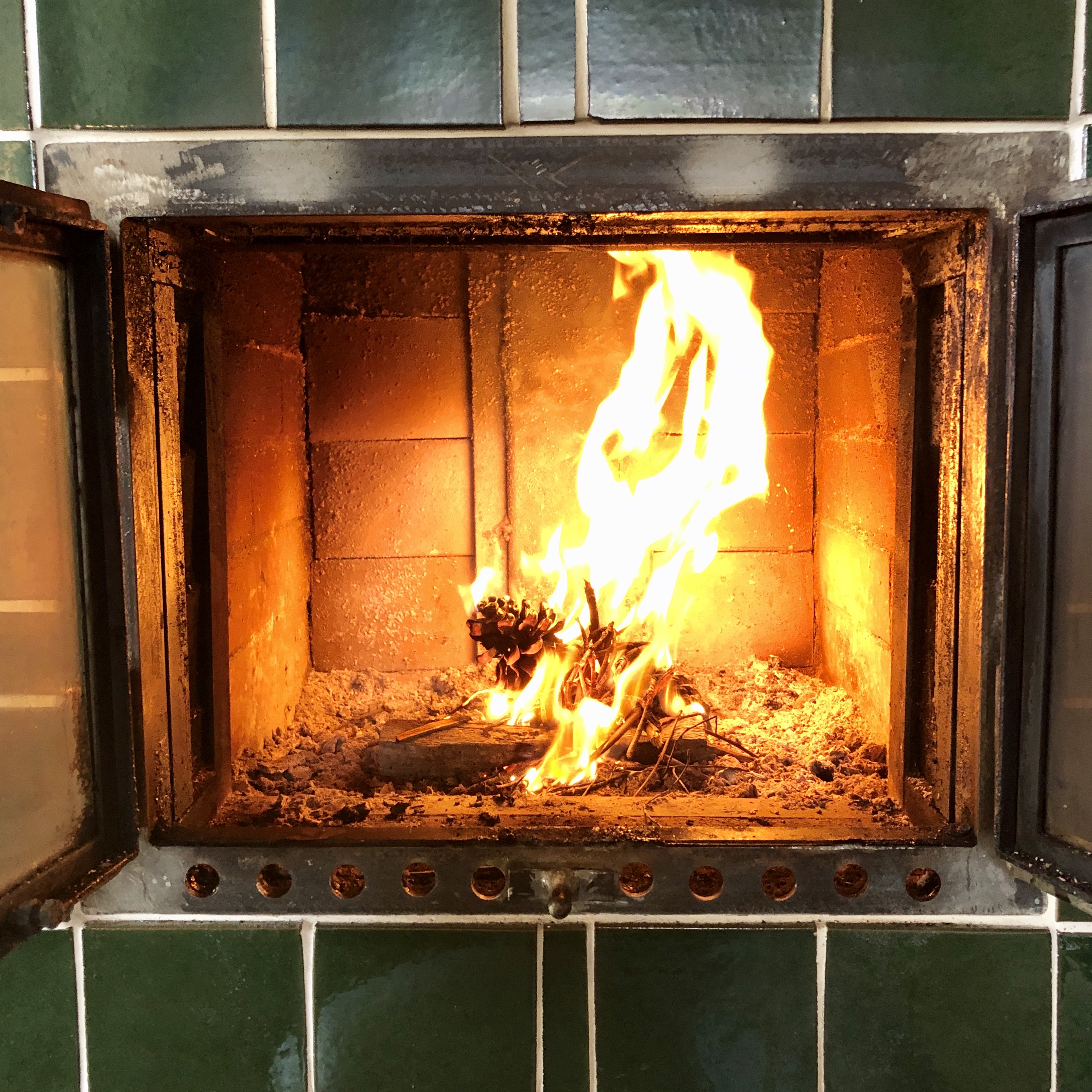
The price gets quoted by the raummeter, a stacked cubic metre, and sometimes by the tonne, which makes comparing offers harder than it should be. Eucalyptus sits at the bottom of the range, holm oak well above, and both climb once mid-November and the first serious cold hit at the same time. That is why the delivery trucks you hear in October are not a coincidence. We all know.
Nobody orders through an app. You call, or you catch the delivery truck in the village and wave, or your neighbour gives you a number written on the back of a receipt. The quiet rule nobody puts in writing is simpler: good firewood runs on a one-winter cycle. What arrives at your gate in October was cut and stacked last autumn, not last month. It has had a full dry season to lose its water, which is why it burns hot and clean instead of hissing and smoking out of the chimney. People who try to order in December get what is left, and what is left was still growing in September. Buyers and sellers both work a winter ahead, and once you know that, the whole rhythm of October makes sense.
Walking for pine cones
The other October ritual is quieter. Along the dirt tracks and firebreak roads around Aljezur, especially on the pine-covered slopes between the town and the coast, the ground is full of pine cones. The ones from the maritime pine (pinheiro-bravo) are the best. They open up when they dry and they burn like matches once they catch.
So we walk. Not for sport, not for scenic reasons, we walk with buckets. I take the dog up the track behind the house and we come back an hour later with a crate of cones that will light every evening fire from now until April. It is not a decoration thing. It is kindling. One or two dry pine cones under some crumpled newspaper and the stove is going in two minutes without a firelighter.
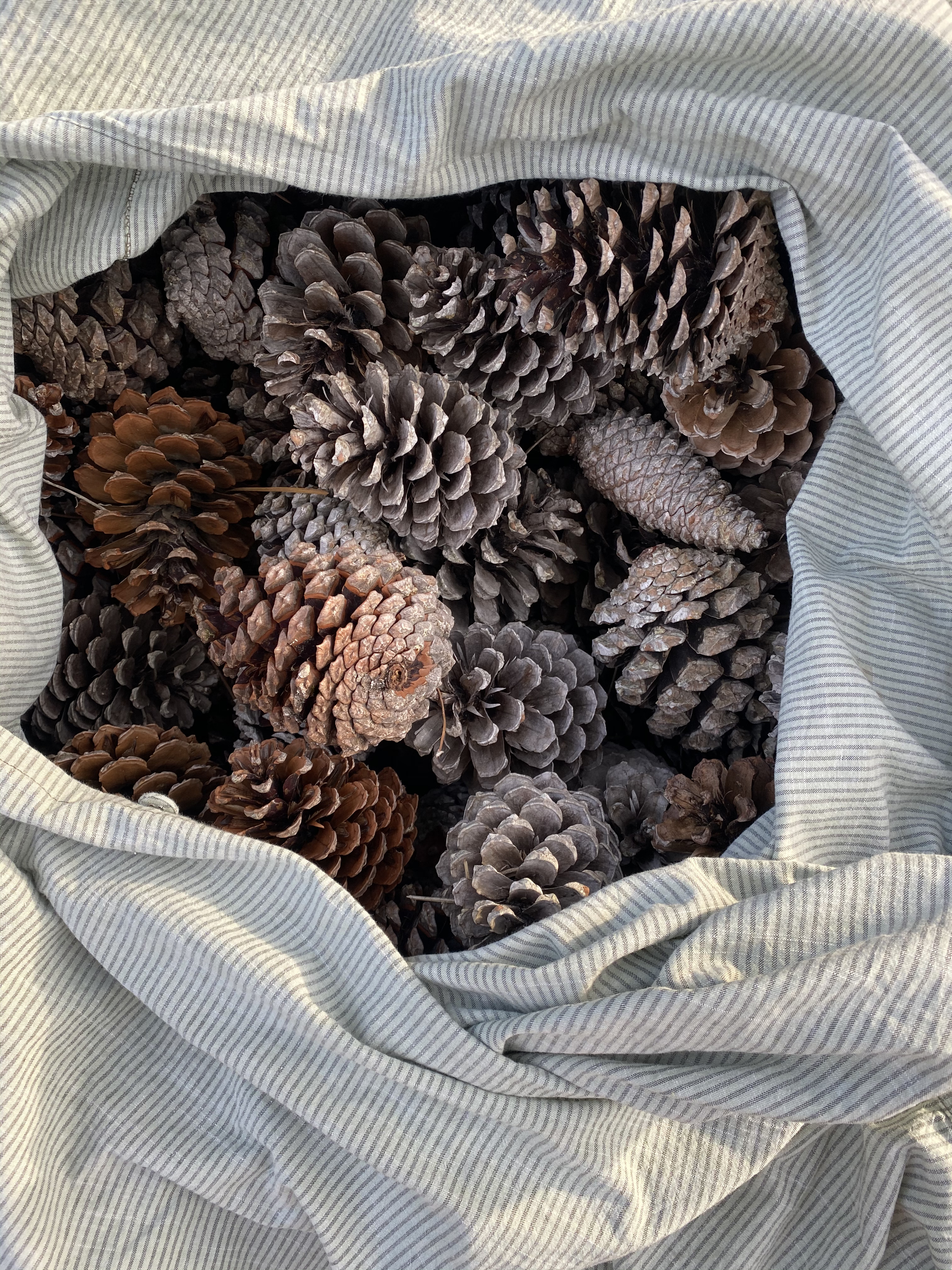
If you want to try it, pick a dry morning after a windy night. The wind brings the cones down and the sun opens them. Avoid the days after rain, soggy cones are useless.
The village gets smaller
The third change is who is here, not whether anyone is here. The holiday houses that were full all summer start closing their shutters, and the families on school-holiday schedules disappear overnight. What stays, and what quietly multiplies, is a different kind of visitor, hikers walking the Rota Vicentina, surfers chasing the autumn swell, travellers who are not bound to July and August precisely because they want the beaches empty. The restaurants that stayed open for the tourist rush begin trimming their hours, lunch only, or closed Mondays and Tuesdays. Two of them switch to winter menus by mid-month, which is when the first grilled cuttlefish with sweet potato appears on the board again, and you can sit at the terrace in a cardigan.
The sweet potato harvest is the one that matters here. Aljezur is the place in Portugal that is known for them, with its own IGP designation, and from mid-October onwards the fields around the village are full of people lifting them out of the sandy soil by hand. If you know a farmer you come home with a sack. The Saturday market smells different from one week to the next, less tomato, more apple, more pumpkin, and by the end of the month, the first proper piles of orange-fleshed batata-doce stacked on wooden crates.
Terrace furniture starts coming inside. The plastic chairs that lived outside all summer get stacked in the garage next to the pine cone crate. The outdoor cushions move to a dry shelf. On the hills above town you see smoke from the first stoves tested after six months off, and the smell is specific, dusty for the first evening and then warm and resinous once the wood catches.
What this month actually is
October in Aljezur is not off-season in the sad sense. The weather is still good enough to swim on a Tuesday and have lunch outside in a cardigan on a Friday. What it is instead is the month the village stops performing for anyone, and goes back to looking after itself. We order the wood, we walk for cones, we close the shutters on the holiday houses, and we welcome the first proper rain when it comes.
If you want to see what Aljezur is actually like, come now. The light is low and gold, the beaches are empty, the market is honest, and if you ask the man loading logs over the wall what he thinks of the weather, you will get a real answer.
Where to stay
If you want to be here while this is happening, our sister project Bespoke Aljezur looks after a small collection of winter-ready homes in and around the village, insulated, with working stoves, dry floors, and a fresh raummeter already stacked by the door. Write me and I'll tell you what's open for your dates: sophie@aljezur.life.
A landlord's note on stoves
One last thing, from the other side of the door. If you own a house here, or you are thinking about one, there is a quiet shift happening in Aljezur rentals that is worth knowing about. The romantic choice is a lareira or a classic log stove. The honest choice, for a house that gets used by guests, is a pellet stove. It burns compressed wood pellets instead of logs, it runs on a thermostat, it heats evenly for ten or twelve hours without reloading, and the fire still looks real behind the glass. Guests who have never built a fire in their life can press one button and have a warm living room. Pellets come in 15-kilo sacks from any agricultural supplier, and you can even grab them in the supermarket, they cost less than firewood across a season, and they leave almost no ash. If I were fitting out a winter-ready home here today, that is the stove I would put in before anything else.
Thinking about Aljezur outside July and August?
Tell me what month you're eyeing and I'll come back with what the village actually feels like then, which restaurants are open, where the wood is cheapest, and whether the sea is warm enough. One line is enough.